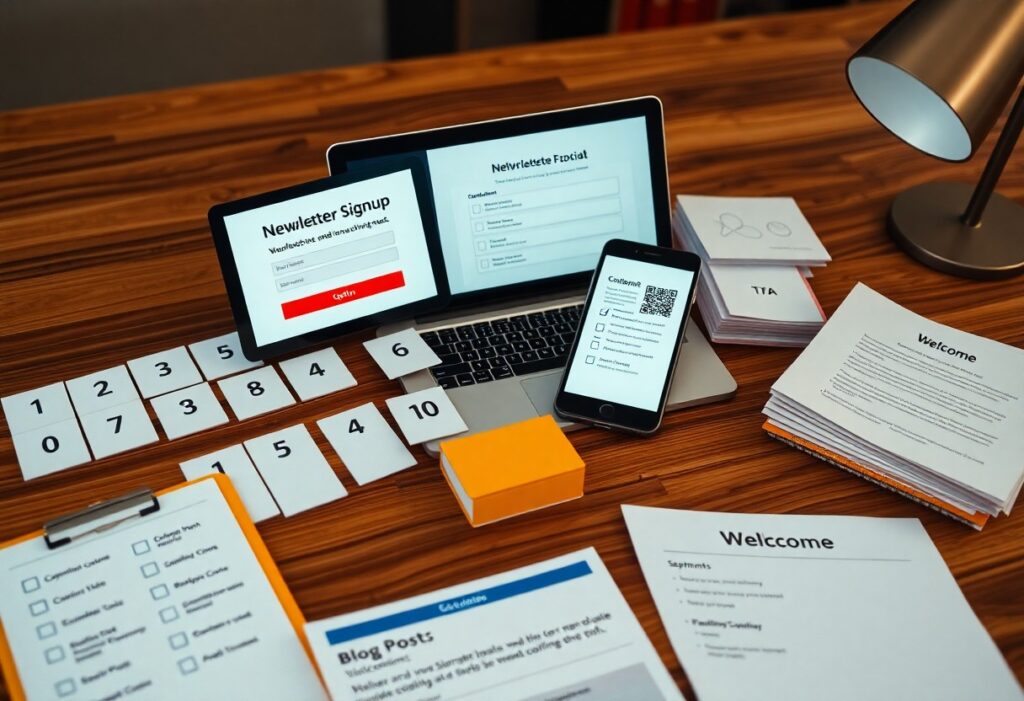
growth doesn’t have to feel spammy; you can attract subscribers with clear signup prompts, genuine incentives, social proof, concise previews, and friendly welcome emails that respect your readers’ time.
Organic social media
You can grow your newsletter using organic social posts that highlight real value, not pitches; invite people to subscribe with clear benefits and a friendly tone.
Share valuable snippets
You should post short excerpts, sharp tips, or takeaways that entice readers to get the full story in your newsletter; include a clear signup link in the post.
Engage with followers
You should respond to comments, ask quick questions, and use polls to turn casual viewers into interested subscribers.
You can make replies personal, acknowledge contributions, and follow up with useful links or a preview; people who feel heard are likelier to sign up and share your newsletter.
Guest post on blogs
You tap new readers by contributing helpful posts to blogs your audience already trusts. Choose topics that match their interests and add a concise author bio that invites subscribers without sounding pushy.
Target relevant audiences
You pitch to blogs whose readership overlaps with your newsletter. Study their content and comments so your post feels natural and useful, increasing the chance readers click your bio link.
Include subtle opt-ins
You add gentle opt-ins like an author-bio signup link or a soft CTA in a resources section, keeping language casual so readers see value instead of a sales pitch.
You offer a small content upgrade – a checklist, short template, or extra tip – linked from the post or bio. Keep the signup form simple, promise a low email frequency, and place the CTA where it feels natural.
Implement referral programs
You can boost signups by offering a simple referral program that rewards both referrer and friend, keeping incentives helpful and relevant so it feels natural, not pushy.
Reward loyal subscribers
You can give loyal readers exclusive content, early access, or small perks for referring friends, which makes rewards feel earned and appreciated.
Encourage word of mouth
You can make sharing effortless with one-click invites and clear share messages that match your voice, so readers feel proud to recommend you.
Ask subscribers to add a short personal line when they share, give sample captions for social posts, and highlight stories of readers who referred friends. Small prompts and social proof make sharing feel personal instead of like an ad.
Collaborate with creators
You partner with creators who share your audience to swap guest spots, co-author series, or share exclusive offers that feel helpful rather than pushy.
Cross-promote in newsletters
You and another creator mention each other’s newsletter in curated sections, short blurbs, or a dedicated recommendation slot, giving readers clear reasons to subscribe.
Host joint webinars
You host a webinar with a creator to showcase expertise and invite signups live, turning attendees into subscribers through value-first content.
Plan a focused topic, split promotion tasks, use a shared signup page, and send co-branded follow-ups. Offer the recording or bonus resources as a subscriber perk to convert attendees.
Optimize signup forms
Make your signup form quick and welcoming so more people subscribe. Use clear labels, mobile-friendly layout, and social proof to build trust without pressure.
Clear value proposition
Tell readers exactly what you’ll send and how often so they know what to expect. Offer a short benefit statement and one example of your best content to spark interest.
Minimal required fields
Ask only for what you need, usually email and first name. Short forms reduce friction and boost completion rates.
You can collect extra details later in a profile page or follow-up email, allowing the first signup to stay simple and inviting. Test optional fields and watch conversion changes to find the best balance.
Offer lead magnets
Use lead magnets that give your audience immediate value, like checklists, templates, or mini-courses. Make sign-up simple and tell people exactly what you’ll send so you make it worth their time.
High-quality free resources
Create free resources that feel like paid products so you show quality upfront. Offer downloadable guides, swipe files, or short video series that solve a common pain point and build trust before you ask for an email.
Solve specific problems
Target a single, painful problem so your magnet converts better. Choose topics people search for, offer a step-by-step fix, and promise one quick win they can test today.
Pick a narrowly defined issue, map the exact steps someone needs, and include examples or templates they can copy. Short case studies or before/after checklists make the solution believable and help subscribers apply it fast.
Participate in niche communities
You join forums, Slack channels, and small social groups where your ideal readers hang out. You offer helpful answers and honest advice, earning trust without pushing sign-ups. You let your newsletter link appear naturally in conversations and profiles so interested people can subscribe.
Answer relevant questions
You watch threads and Q&A sites for questions you can actually solve. You write clear, useful answers and mention that your newsletter covers the topic in depth, giving curious readers a simple, natural prompt to subscribe.
Link in profile bio
You add your newsletter link to your bio on Twitter, LinkedIn, and community profiles. You use a short, benefit-focused line so visitors know what they’ll get and can join without a salesy pitch.
You craft a short CTA (“Get weekly templates”) and test one tracking link so you see which platform converts. You pin the same link across communities, keep the blurb friendly, and swap to a current freebie when you run a campaign.
Update email signatures
You can turn your email signature into a quiet growth tool by adding your newsletter link and a short invite that feels natural rather than pushy.
Include newsletter link
Add a clear, clickable newsletter link in your signature with a simple call-to-action so recipients can subscribe without friction.
Add brief description
Add one short sentence describing what subscribers will get, such as “weekly tips on X”, to set expectations and attract the right readers.
Keep the description specific and benefit-focused: mention how often you send it, the topic, and what problem the newsletter solves for the reader so people know what to expect.
Utilize recommendation engines
You can use recommendation engines to surface personalized articles and suggest your newsletter to readers who enjoy similar topics, boosting engagement without sounding promotional.
Partner with similar writers
You can team up with writers covering adjacent topics to exchange recommendations, cross-promote content, and introduce your newsletter to a warm, interested audience.
Mutual growth sharing
You can create reciprocal shout-outs, curated link lists, or short guest spots that highlight each other’s newsletters and build trust through real recommendations.
Agree on simple terms, match audience interests, swap short, personalized blurbs, and track sign-ups with codes or UTM links so you see what works. Keep swaps occasional and value-focused so subscribers perceive recommendations as helpful, not promotional.
Repurpose existing content
You can turn past posts, podcasts, and videos into newsletter-ready bits: pull key takeaways, convert quotes into quick tips, and stitch short summaries together to save time and keep content consistent.
Create social media threads
You can expand a single newsletter idea into a Twitter/X thread or LinkedIn carousel to attract readers who prefer bite-sized content and link back to subscribe for full context.
Tease upcoming editions
You can tease next issues with a headline, a short list of topics, and a single cliffhanger line to spark curiosity without overselling the content.
Keep teasers honest: give a clear benefit, set expectations about frequency, and include a soft call-to-action so subscribers know what they’ll gain and won’t feel misled.
Conclusion
Ultimately you can grow your newsletter with ten approachable tactics that respect subscribers, build trust, and make signing up feel natural and welcome.