Many businesses underestimate How a newsletter helps you stay connected with customers, share timely updates, showcase expertise, and drive repeat sales-even in 2026.
Why social media isn’t enough anymore
Platforms change constantly, so your posts vanish unless you pay or get lucky; a newsletter keeps you connected with people who already trust you.
Escaping the unpredictable algorithm trap
Algorithms decide what reaches your audience, so you lose control; a newsletter lands in inboxes and keeps your message visible to people who opted in.
Why owning your list is a business superpower
Ownership of your list gives you direct access to customers, so you can announce launches, test offers, and generate sales without depending on rented audiences.
Email lets you segment behavior, automate welcome sequences, test subject lines, and measure ROI precisely, so you increase retention, raise lifetime value, and keep full control over who sees your offers.
Building a real connection with your fans
Your newsletter lets you speak directly to the people who care, sharing behind-the-scenes moments, small wins, and authentic updates that make fans feel included and valued. You create familiarity and trust that social posts alone can’t sustain.
Sharing your brand’s unique and friendly voice
Show readers you’re human by writing like a helpful friend-use your natural tone, jokes you’d say in person, and candid stories so subscribers feel you’re speaking directly to them. You’ll stand out amid polished ads and build a personality they want to return to.
Turning casual strangers into loyal friends
Invite subscribers into small rituals-weekly notes, exclusive tips, or early access-that make them feel part of your inner circle. You’ll convert curiosity into commitment by rewarding attention and showing consistent, personal care that outlasts a single click.
Create a short welcome sequence that introduces your story, sets expectations, and asks one simple question to prompt a reply. Use names, reference past clicks, and offer tiny exclusives or previews. Over weeks, celebrate milestones, spotlight fans, and request feedback so casual readers begin expecting your messages and choose you first.
The incredible power of direct sales
You can turn readers into buyers by sending tailored offers directly to their inbox, where attention is higher and competition is lower.
Why emails often beat ads for conversions
Data shows that you often get higher conversion rates from targeted emails than from generic ads, because recipients have expressed interest and you can personalize the message.
Promoting your best offers straight to the inbox
Send your best deals directly to people who’ve opted in, using clear calls to action and limited-time incentives to get them buying faster.
Segmenting your audience lets you match offers to past purchases, engagement, location, or lifecycle stage so you can schedule sends at peak times, test variants, and turn top performers into automated flows that keep sales steady without extra manual work.
Staying human in the age of AI
Your newsletter keeps the human voice alive amid algorithmic feeds, letting you speak directly to customers with warmth and context they can’t get from generic AI outputs.
Adding a personal touch to the digital noise
Make your messages feel handwritten by sharing short stories, behind-the-scenes notes, and candid reactions that turn strangers into loyal readers.
Tailoring content that feels like a 1-on-1 chat
Use segmentation, simple language, and clear calls to action so your emails read like a helpful direct message to one person.
Test subject lines, timing, and dynamic fields while watching behavior-based triggers so you send timely, relevant notes that feel personal without oversharing.
Learning what your customers actually love
Newsletters show you which products, stories, and offers your audience prefers by tracking replies, clicks, and purchases, so you can focus on what actually drives engagement and revenue.
Using direct feedback to help your business grow
Ask one clear question in every issue and you’ll collect honest comments, product ideas, and service fixes you can test quickly to improve customer satisfaction.
Tracking what really clicks with your readers
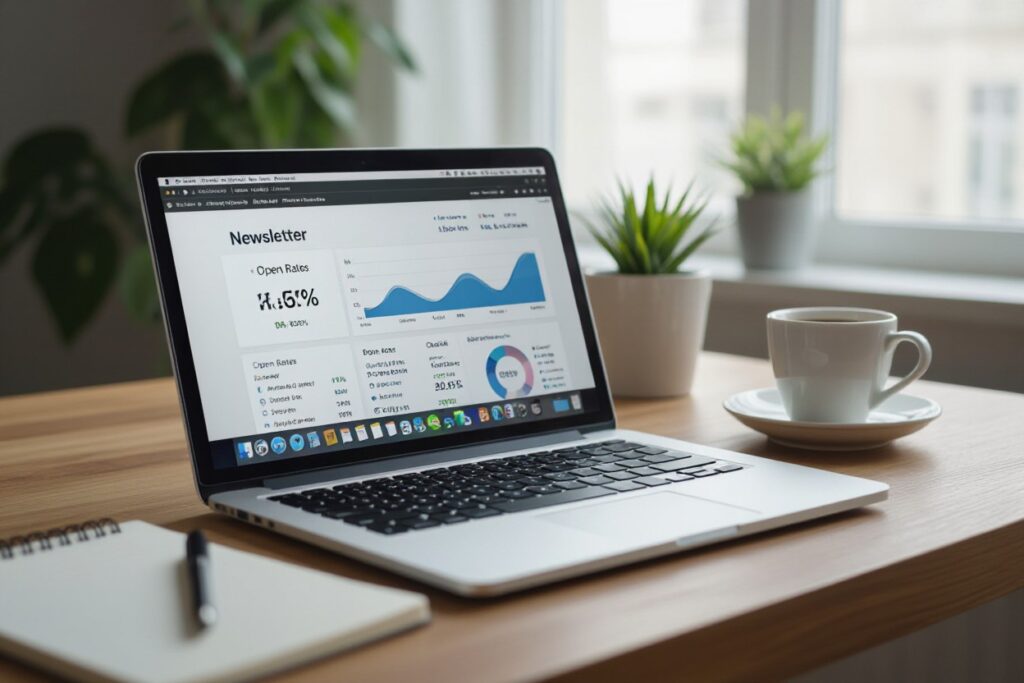
Measure opens, clicks, and conversions so you can spot which topics, links, and calls-to-action prompt real reader interest and purchases.
Segmenting your list by behavior reveals differences between casual readers and loyal buyers; run A/B tests on subject lines, layouts, and offers, then double down on winners.
It’s much easier to start than you think
You can get a newsletter out with one clear idea, a simple signup form and a short template; start small and learn from the replies and opens.
Choosing simple tools that do the heavy lifting
Pick one email platform, a signup widget and an automated welcome-these tools handle delivery, lists and basic analytics so you focus on content.
Keeping your schedule fun and consistent
Make a realistic cadence-weekly, biweekly or monthly-and treat it like a meeting you actually want to keep, with short, useful notes each time.
Plan your topics using three content buckets and batch-write several issues in one session so scheduling becomes painless. Use templates, a 30-minute writing timer and simple subject-line tests to speed production. Ask subscribers for one quick preference poll quarterly, watch opens and clicks, and adjust frequency if engagement drops so you stay consistent without burning out.
Summing up
You should run a newsletter even in 2026 because it builds direct relationships with your audience, boosts repeat sales, drives traffic, and gives you first-hand customer insights while staying cost-effective as platforms change.